
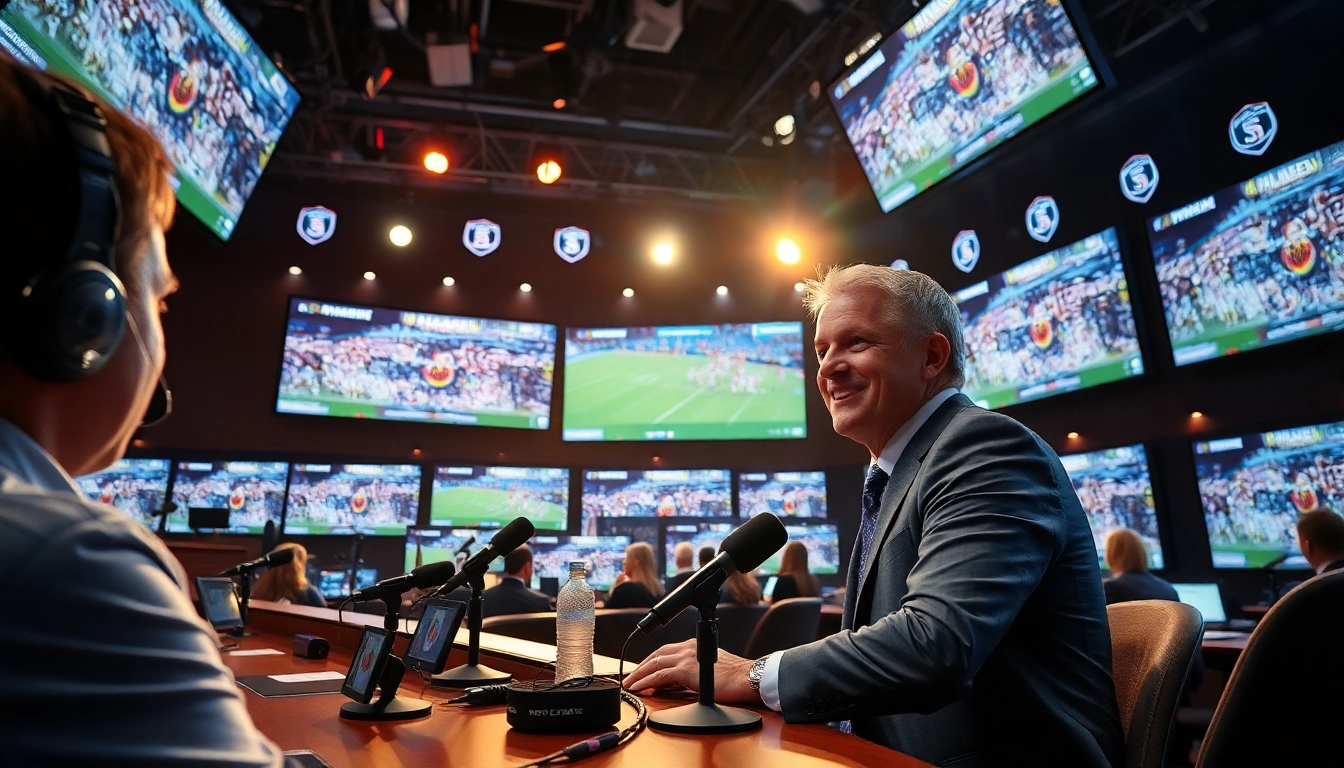
Introduction to Sports Broadcasting
Defining Sports Broadcasting and Its Impact
Sports broadcasting refers to the dissemination of sports events and related content through various media platforms, including television, radio, and online streaming services. This crucial medium connects fans to their favorite sports, elevating the experience by providing commentary, analysis, and live coverage. The impact of Sports Broadcasting is immense, shaping how audiences engage with sports, create communities around them, and even influence the culture surrounding athletics.
The Evolution of the Sports Broadcasting Industry
The journey of sports broadcasting has been remarkable, starting from the early days of radio broadcasts in the 1920s to the high-definition television we see today. Over the decades, technological advancements have transformed the industry, introducing features like instant replays and real-time statistics. The internet age has further revolutionized how sports are shared, with streaming services and social media platforms enabling fans to access content anytime, anywhere. More importantly, this evolution has led to a broader and more diverse audience, opening doors for underrepresented sports and leagues.
Understanding Audience Engagement in Sports Broadcasting
Engagement is the heartbeat of sports broadcasting. Audiences don't just consume content; they interact with it through social media, fantasy leagues, and mobile apps. Understanding this dynamic helps broadcasters tailor their content more effectively. They must engage viewers not only during live events but also with highlight reels, interviews, podcasts, and behind-the-scenes features. Knowing the audience's preferences allows sports broadcasters to create a more immersive viewing experience, fostering a loyal fan base.
Key Components of Successful Sports Broadcasting
Essential Skills for Sports Broadcasters
A successful sports broadcaster must possess a multifaceted skill set. Firstly, strong communication skills are paramount—broadcasters must convey information clearly and compellingly. In-depth knowledge of sports is equally critical for analyzing plays and making insightful commentary. Adaptability is another vital skill; live sports can be unpredictable, and analysts must adjust on the fly. Finally, an on-camera presence can not only engage audiences but also build trust in their expertise.
Technology's Role in Modern Sports Broadcasting
Technology has taken center stage in transforming sports broadcasting. Today’s broadcasters utilize advanced tools like drones for aerial shots, augmented reality for enhanced graphics, and AI to aggregate data for real-time analysis. These innovations help deliver a more entertaining, informative experience to viewers. The rise of mobile broadcasting applications also enables fans to catch live events on-the-go, further enhancing accessibility and engagement.
Understanding Different Media Formats in Sports Broadcasting
Sports broadcasting is not limited to one format; it encompasses live broadcasts, informative podcasts, engaging YouTube channels, and social media snippets. Each format has distinct use cases. For example, live broadcasts offer immediacy and excitement, while podcasts provide in-depth analysis in a structured discussion setting. With the ever-increasing competition in audiences' attention, it's crucial for sports broadcasters to optimize their content across all platforms to maximize reach and engagement.
Creating Compelling Sports Broadcasting Content
Researching and Preparing for Sports Events
Preparation is the cornerstone of successful sports broadcasts. Broadcasters must conduct comprehensive research on teams, player stats, and recent news before going live. Creating note packs with key stats and storylines not only ensures accuracy but also allows for deeper analysis during the event. Additionally, understanding the context surrounding a game can help broadcasters weave engaging narratives that resonate with viewers.
Crafting Engaging Narratives for Viewers
Creating a compelling narrative is what keeps viewers hooked. Broadcasters should focus on storytelling that emphasizes conflict, triumph, and human interest. This can involve highlighting a player's journey, discussing rivalries, or framing the stakes of the game. Well-crafted narratives help viewers emotionally connect to the event, enhancing their overall experience.
How to Use Statistics and Data Effectively
Statistics are the backbone of sports analysis. Understanding how to use data effectively can elevate narratives and provide audiences with insights. Broadcasters should avoid drowning viewers in numbers; instead, they should contextualize statistics to support the unfolding story. For example, discussing a player's shooting percentage during a clutch moment can highlight their performance under pressure. This balance of data and storytelling creates informative and engaging content.
Challenges in the Sports Broadcasting Landscape
Navigating Rights and Regulations in Sports Broadcasting
Navigating the regulatory landscape is critical for sports broadcasters. Licensing rights often dictate which events can be aired and under what terms. Unauthorized broadcasts can lead to hefty fines and legal ramifications. Ensuring compliance with regulations is crucial for broadcasters, making pre-emptive discussions with rights-holders essential to avoid pitfalls.
Addressing Viewer Expectations and Audience Trends
As technology advances, audience expectations continue to rise. Today's viewers demand high-quality production, quick analysis, and engaging commentary. Broadcasters must stay ahead of trends, tailoring content to meet these evolving expectations. Accessibility through various platforms is also vital; as more viewers shift to mobile and on-demand content, traditional broadcasters must adapt to remain relevant.
Competing with Digital Platforms in Sports Broadcasting
Digital platforms like social media and streaming services pose significant competition to traditional sports broadcasting. These platforms enable fans to consume sports content in varied, bite-sized formats, offering immediate gratification. To stay competitive, traditional broadcasters must develop their digital strategies, incorporating features like live chats and interactive content to capture audience interest.
Future Trends in Sports Broadcasting
The Rise of Interactive and Immersive Sports Experiences
The future of sports broadcasting leans heavily on interactive and immersive experiences. Technologies like virtual reality (VR) and augmented reality (AR) are beginning to reshape the viewing landscape. These technologies can allow fans to experience games from different perspectives or participate in interactive content that deepens engagement. Broadcasters investing in these technologies today will likely lead the charge in the coming years.
Leveraging Social Media for Enhanced Audience Reach
Social media platforms are pivotal in reaching younger audiences. Engaging followers with updates, behind-the-scenes content, and highlight reels can create buzz around events. Boosting interaction through polls, Q&A sessions, and user-generated content cultivates a community feel. The integration of live social media feeds during broadcasts can also enhance viewer experience, particularly among tech-savvy fans.
Predictions for Sports Broadcasting in the Next Decade
As we look towards the future, several predictions can be made for sports broadcasting. Enhanced use of AI for personalized content delivery, further integration of interactivity, and even gamification elements could reshape viewer experiences. Changes in advertising models, focusing more on targeted ads based on viewer data, could also significantly alter revenue streams. The next decade promises innovations that will reinforce the integral role of broadcasting in the sports ecosystem.
Frequently Asked Questions
What skills are essential for success in Sports Broadcasting?
Key skills include strong communication abilities, in-depth sports knowledge, adaptability, and on-camera presence.
How has technology changed Sports Broadcasting?
Technology has enhanced live coverage with real-time statistics, interactive features, and better production quality across platforms.
What challenges do sports broadcasters face today?
Major challenges include navigating digital competition, adhering to broadcasting regulations, and meeting audience demands for quality content.
Why is audience engagement crucial in Sports Broadcasting?
Engagement is key for viewer retention, attracting sponsorship opportunities, and building loyalty across sport programming.
What trends are shaping the future of Sports Broadcasting?
Future trends involve interactive experiences, the use of AR/VR, and increased focus on social media platforms to engage viewers.